Table of Contents
- Introduction to Singapore School Admission Options
- What Is AEIS?
- How AEIS Admission Works
- Other School Admission Routes in Singapore
- AEIS vs Direct School Application
- AEIS vs Private School Options
- Which Students Should Consider AEIS?
- Factors to Consider Before Choosing a Route
- Preparing for the Singapore Education System
- Common Mistakes When Choosing an Admission Pathway
- How to Improve Your Chances of Successful Admission
- Conclusion
Introduction to Singapore School Admission Options
Singapore is a popular education destination for international students because of its high academic standards and strong school system. Many parents from different countries hope to provide their children with the opportunity to study in Singapore.
However, entering Singapore schools requires careful planning because international students have different admission pathways available.
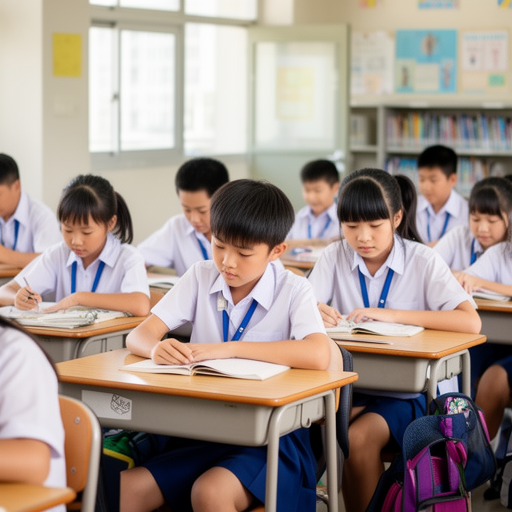
One of the most recognised pathways is the AEIS examination, which allows international students to apply for placement into Singapore government primary and secondary schools.
Besides AEIS, families may also consider other options such as private schools, international schools, or direct admission routes depending on their child’s situation.
Choosing the right pathway depends on factors such as academic ability, English proficiency, budget, and long-term education goals.
What Is AEIS?
The AEIS examination is an admission pathway designed for international students who wish to enter Singapore government schools.
The examination mainly evaluates:
- English language ability
- Mathematics knowledge
- Problem-solving skills
- Academic readiness
Students need to demonstrate that they can follow the Singapore curriculum before they are considered for placement.
The AEIS pathway is suitable for families who want their children to experience the Singapore mainstream education system.
Government schools in Singapore follow a structured curriculum with strong emphasis on academic performance, English communication, and independent learning.
How AEIS Admission Works
The AEIS process involves several stages.
Generally, students need to:
- Check eligibility requirements
- Register for the examination
- Prepare for English and Mathematics tests
- Complete the assessment
- Wait for school placement results
The examination results determine whether students qualify for placement opportunities.
However, passing the examination does not mean students can choose any school they want. Placement depends on:
- Student performance
- Available vacancies
- School capacity
This means preparation is very important.
Students should begin early and understand the expectations of the Singapore education system.
Other School Admission Routes in Singapore
Besides AEIS, international students may consider other education pathways.
International Schools
International schools offer alternative curriculums such as:
- International Baccalaureate
- British curriculum
- American curriculum
- Other international programmes
Advantages include:
- Familiar learning environment
- More diverse student community
- Different teaching approaches
However, international schools often have higher tuition fees compared to government schools.
Private Schools
Private schools provide another option for students who may not enter government schools immediately.
They may offer:
- Academic programmes
- Preparation courses
- Alternative pathways
Private education can provide flexibility but parents should carefully compare school quality, fees, and academic outcomes.
Direct School Application
Some students may qualify for direct admission opportunities depending on their circumstances.
Requirements vary between schools and programmes.
Parents should research carefully before selecting this option.
AEIS vs Direct School Application
Both pathways have different advantages.
AEIS Advantages
AEIS allows international students to:
- Apply for government schools
- Follow the Singapore national curriculum
- Experience mainstream education
It provides a structured route for students who meet the academic requirements.
Direct Application Advantages
Direct application may be suitable for students who already have a strong academic background and meet specific requirements.
However, availability and requirements depend on the individual school.
Parents should evaluate their child’s profile before choosing.
AEIS vs Private School Options
The choice between AEIS and private schools depends on family goals.
Government Schools Through AEIS
Benefits:
- Lower school fees compared to many private options
- Singapore curriculum
- Strong academic environment
Challenges:
- Competitive admission process
- Requires preparation
- Limited placement choices
Private Schools
Benefits:
- More flexible admission
- Different academic programmes
- Alternative learning environments
Challenges:
- Higher costs
- Different curriculum structures
Families should consider both academic and financial factors.
Which Students Should Consider AEIS?
AEIS may be suitable for students who:
- Want to enter Singapore government schools
- Have strong English ability
- Have good Mathematics foundations
- Are prepared to follow the Singapore curriculum
Students should be comfortable learning in English because most lessons are conducted in English.
Students who need improvement should begin preparation early.
An effective AEIS exam preparation plan helps students strengthen their academic foundation before attempting the examination.
Factors to Consider Before Choosing a Route
Parents should consider several important factors.
Student’s Academic Level
A student’s current ability affects which pathway is most suitable.
Questions to consider:
- Can the student understand English lessons?
- Is Mathematics foundation strong?
- Can the student adapt to a new curriculum?
Budget
Different pathways have different costs.
Families should compare:
- Tuition fees
- Preparation costs
- School expenses
- Living costs
Long-Term Goals
Parents should think about future plans.
For example:
- Does the student plan to continue education in Singapore?
- Is a specific curriculum preferred?
- Is government school placement the main goal?
Preparing for the Singapore Education System
Regardless of the admission route, students need preparation before studying in Singapore.
Important skills include:
English Communication
Students should practise:
- Reading
- Writing
- Listening
- Speaking
Independent Learning
Singapore schools encourage students to manage their own learning.
Students should develop:
- Time management
- Homework habits
- Problem-solving ability
Adaptability
Moving to a new country requires adjustment.
Students should be prepared for:
- Different teaching styles
- New classmates
- New academic expectations
Common Mistakes When Choosing an Admission Pathway
One common mistake is choosing a route without considering the student’s readiness.
Some parents choose AEIS because it is popular, but the student may need more preparation first.
Another mistake is comparing only school fees.
Families should also consider:
- Curriculum quality
- Student support
- Future opportunities
Parents should research carefully and choose the option that best matches their child’s needs.
How to Improve Your Chances of Successful Admission
Students who want to enter Singapore schools should focus on preparation.
Important steps include:
- Improving English skills
- Strengthening Mathematics knowledge
- Practising exam questions
- Developing good study habits
Using an AEIS test paper regularly can help students understand the examination format and improve their confidence.
Consistent practice is more effective than last-minute preparation.
Conclusion
Choosing between AEIS and other Singapore school admission routes depends on each student’s academic ability, goals, and family situation.
AEIS provides a pathway for international students who want to enter Singapore government schools, while private and international schools offer alternative options.
The best choice is one that matches the student’s readiness and future plans.
With proper research, realistic planning, and effective preparation, international students can select the right education pathway and prepare for a successful academic journey in Singapore.