
Table of Contents
- Introduction
- What Is the AEIS Exam?
- What Is the S-AEIS Exam?
- Key Differences Between AEIS and S-AEIS
- Eligibility Criteria Comparison
- Exam Format and Subjects
- Which Exam Is Easier?
- When Should You Choose AEIS?
- When Should You Choose S-AEIS?
- Preparation Strategies for Both Exams
- Final Thoughts
1. Introduction
For international students aiming to enter Singapore government schools, two major pathways exist: the AEIS and the S-AEIS. Choosing between them can significantly impact your child’s academic timeline and chances of success.
In this guide, we’ll break down the differences, similarities, and decision factors to help you determine which exam is the right fit. If you’re new to the process, you can explore more AEIS exam preparation resources to understand the full journey.
2. What Is the AEIS Exam?
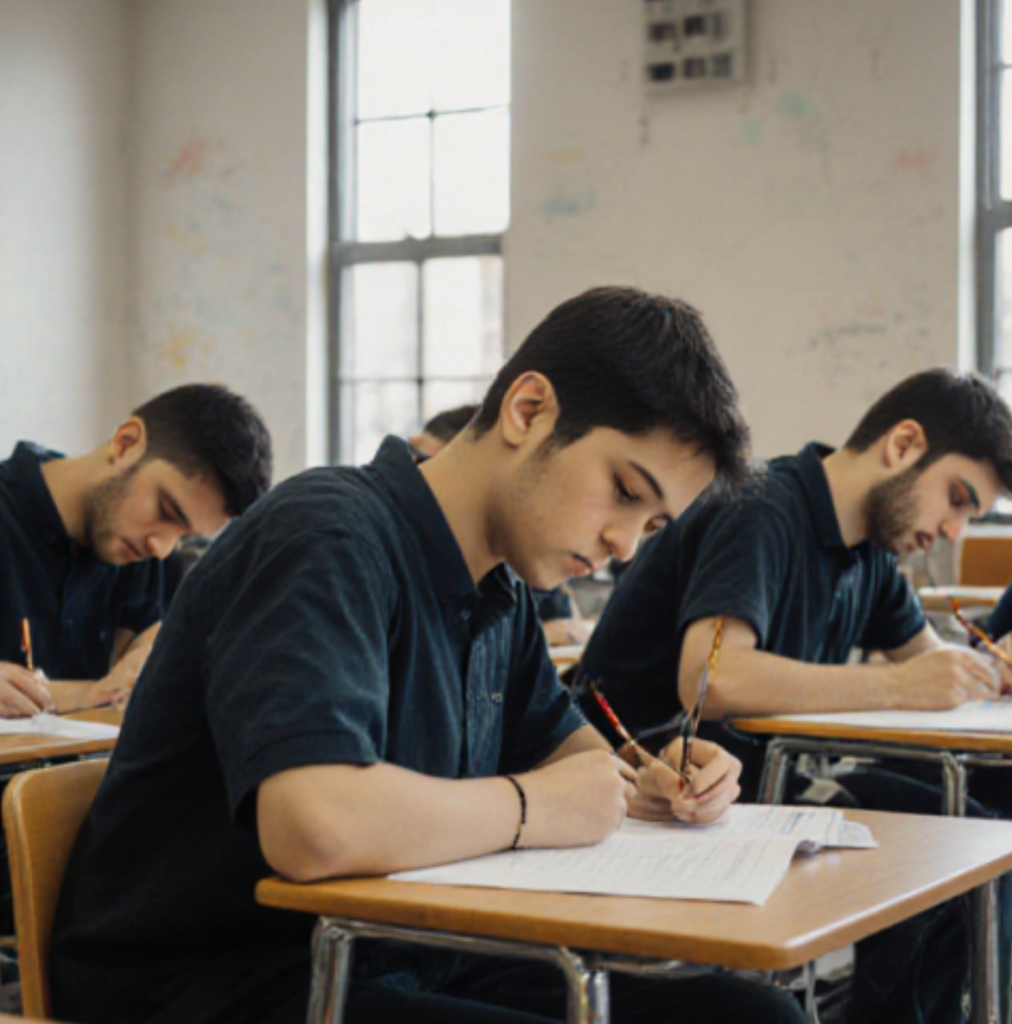
The Admissions Exercise for International Students (AEIS) is conducted annually, typically around September or October. It is the main intake for international students seeking admission into Singapore’s primary and secondary schools.
Students who pass the AEIS will usually begin their school term in January of the following year. This makes AEIS the most popular and competitive option.
Key features:
- Held once a year
- Main intake for international students
- Results released around December
- School starts in January
3. What Is the S-AEIS Exam?
The Supplementary Admissions Exercise for International Students (S-AEIS) is conducted around February. It serves as a second opportunity for students who either missed or did not pass the AEIS.
Successful candidates typically enter schools in Term 2 (around May or June).
Key features:
- Conducted once a year
- Acts as a second chance
- Smaller intake compared to AEIS
- Mid-year school entry
4. Key Differences Between AEIS and S-AEIS
While both exams serve the same purpose, they differ in timing, competition level, and available school placements.
Timing
- AEIS: September/October
- S-AEIS: February
Intake Period
- AEIS: January intake
- S-AEIS: Mid-year intake
Seat Availability
- AEIS: More vacancies
- S-AEIS: Limited vacancies (leftover seats)
Competition
- AEIS: Highly competitive
- S-AEIS: Slightly less competitive but fewer spots
For a deeper look at trends and difficulty levels, refer to this guide on AEIS 2026 trends and difficulty comparison.
5. Eligibility Criteria Comparison
Both AEIS and S-AEIS have similar eligibility requirements, but students must meet age and academic readiness standards.
Primary Level
- Based on age (P2–P5 levels)
- English literacy is critical
Secondary Level
- Requires stronger math and English skills
- Students must match the appropriate age group
Students who fail AEIS are allowed to apply for S-AEIS, provided they still meet eligibility requirements.
6. Exam Format and Subjects
The format for both AEIS and S-AEIS is largely the same.
Primary Level
- English: Reading and writing
- Mathematics: Multiple-choice questions
Secondary Level
- English: Comprehension and language use
- Mathematics: Open-ended problem solving
The main difference is not in the format, but in the level of competition and available placements.
7. Which Exam Is Easier?
This is a common question, but the answer is nuanced.
- AEIS has more seats but attracts more applicants
- S-AEIS has fewer applicants but significantly fewer vacancies
In reality, neither exam is “easier.” The perceived difficulty depends on preparation level, timing, and student readiness.
Students who prepare early and thoroughly tend to perform well in AEIS, while S-AEIS is often a fallback option.
8. When Should You Choose AEIS?
AEIS is the better choice if:
- Your child is fully prepared by mid-year
- You want access to more school options
- You prefer a standard academic start in January
- You want to maximize admission chances
Because AEIS offers more placements, it is generally recommended as the first attempt.
9. When Should You Choose S-AEIS?
S-AEIS may be the better option if:
- Your child needs more preparation time
- You missed the AEIS registration deadline
- Your child did not pass AEIS
- You are flexible with mid-year school entry
However, keep in mind that fewer vacancies mean more limited school choices.
10. Preparation Strategies for Both Exams
Regardless of which exam you choose, preparation plays a crucial role.
Start Early
Students preparing for AEIS should ideally begin 6–12 months in advance. Those targeting S-AEIS can use the additional months to strengthen weak areas.
Focus on English
English is often the biggest challenge for international students. Reading comprehension and writing skills should be practiced consistently.
Master Math Fundamentals
Math questions test logic and problem-solving, not just formulas. Practice with past-year papers is essential.
Use Practice Papers
Exposure to exam-style questions improves speed and accuracy.
Create a Study Plan
A structured plan ensures balanced preparation across subjects.
11. Final Thoughts
Choosing between AEIS and S-AEIS depends on your child’s readiness, timeline, and academic goals. AEIS remains the primary and most recommended pathway due to its larger intake and better school placement opportunities.
S-AEIS, while valuable, should be viewed as a secondary option or backup plan.
Ultimately, success in either exam comes down to preparation, consistency, and strategy. By understanding the differences and planning ahead, you can make an informed decision that sets your child up for success in Singapore’s education system.